
Guidance, Navigation, and Communication
This is the most normal contact I’ve had today. Thanks for this bit of structure.
While this was not how or where I expected this blog entry to start, after a long absence. However, these comments are especially notable for me, since they came not from one, but two different people in two different online meetings in two distinct research project contexts. They were notable not because I was doing something uniquely innovative or novel, but exactly because I was doing something relatively mundane: regular weekly meetings with my students, and regularly scheduled project updates with my research team. Yes, there were a few technical hiccups, as there often are, but for the most part, they functioned as we always expect them to function.
And that, in a nutshell, was what was most appreciated today. I think it is no exaggeration to say that very few people alive today remember a similar period of rapid shift from normal to unprecedented, with such a sense of vertigo as we collectively stare into a social, economic, and cultural abyss. But that is not where I want to focus my emphasis in this entry; there are plenty of places to talk about that. I want to talk more about what we in the lab have been learning this year, which has become unexpectedly one of the most valuable possible lessons for me (and maybe others, but I will let them be the judges of that).
Fall 2019 was really busy. I was teaching my two courses (Perspectives on Systems Engineering, or PoSE, as well as Work Analysis and Design) with a bit over 200 students in total. Two students were finishing their dissertations (Megan on Cybersecurity Incident Response Teams, and Jordan on Spaceflight Mission Support Operations Teams), and three more grad students (and an undergrad) were joining—two from a different department with different cultures and traditions of graduate progress. I was also faculty advisor to the professional society student chapter. Add that to my normal level of travel (Japan in August, London in September, Washington DC and Seattle on consecutive weeks in October), and our regular habit of individual meetings (written as “1:1” in my calendar) just sort of fell by the wayside. We were making progress overall, and I was still having (most of) our weekly GROUPER meetings, so no problem, right?
Well, not quite. New students need orientation and support to start a new program—even if they are simply completing their BS degree and starting an MS/PhD in the same program. The culture of a lab changes significantly when the “veterans” leave and the “newbies” come in. If all the veterans are leaving at once (and living in other cities or even time zones as they finish), who is most responsible for managing the communication and socialization of the important aspects of the organizational culture? The advisor, of course—even if the lab is fortunate enough (as we have been) to have a set of new student “onboarding” documents. Thus, it was easy enough for me to think, “well, this is just a little schedule shift,” when postponing 1:1 meetings, it’s HUGE for someone just starting on a new path in a confusing feudal environment.
So, among the last gasp efforts of the overwhelming Fall semester, we made sure that we put a priority on making sure everyone had a regular 1:1 meeting, and that such meetings were a priority when possible. (Sometimes, from February Frenzy through March Madness and April Anarchy, we might not have 1:1 meetings for everyone at their regularly scheduled time, but we know to discuss that with the travel schedule weeks in advance.) I was even able to welcome a new international visiting student, and within her first week on campus, we had 1:1 meetings for her as well. Everyone remember to breathe…
Within the first three weeks of the new semester starting in January 2020, the difference was obvious to the students, and to me as well. Yes, it helped that I wasn’t teaching in the classroom (“A Professor is ALWAYS teaching!”), but each week, significant progress was being made in the crafting and focus on research projects, social and psychological development, and understanding of what I’m looking for and how to get there. As a result, when I asked for a “Captain Kirk to Scotty” response from the lab, not only could I get one, but the response seamlessly added into the discussions of each individual’s projects as well.
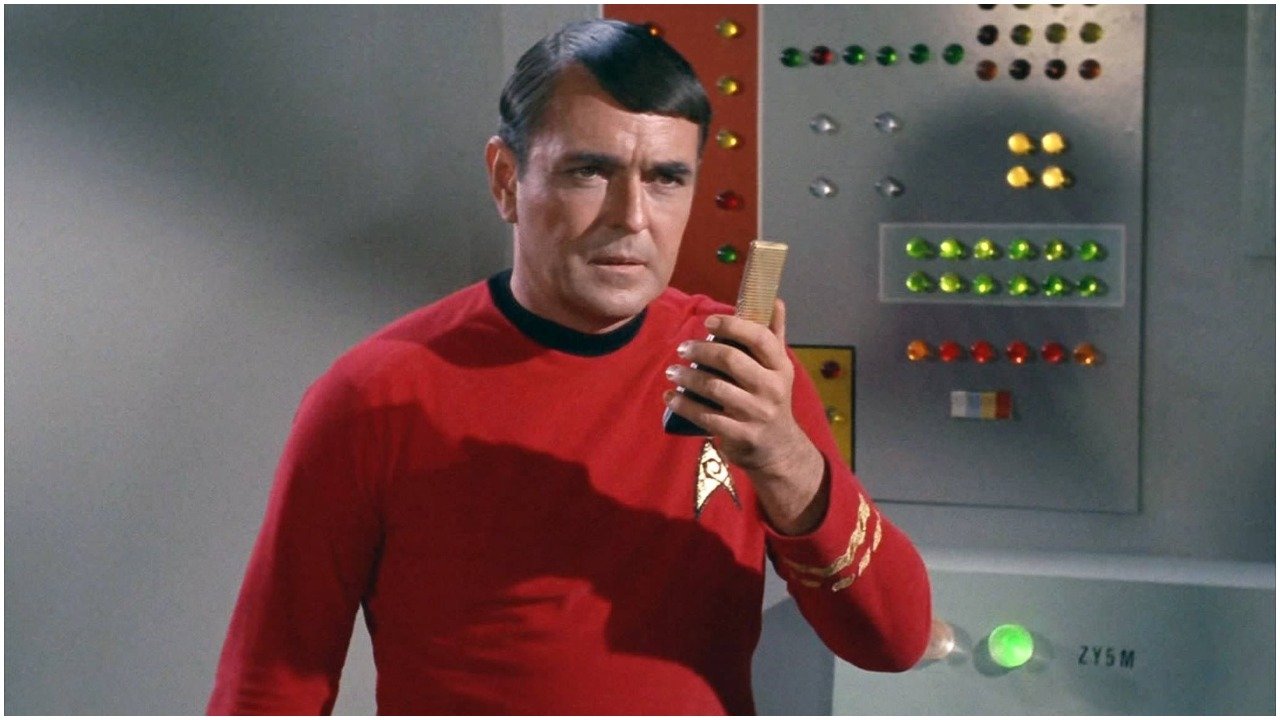
Figure 1. Scotty: “I need at least three days, Captain.” Kirk: “You’ve got an hour.” image from https://movieplus.news/25-false-things-about-star-trek-that-everyone-believed/
Since the lab has been experiencing “distributed operations” for at least four years (remember the students in other time zones part?), we have frequently had at least one member of the lab (including me, when I was working in Washington, DC for a year) “dial in” remotely via Webex, Google Hangouts, Skype, Zoom, …. It’s not weird, it’s just that not everyone makes it to the same room every week. So, if there is an illness, or travel, or simply a schedule conflict, “Can we do the 1:1 remotely next Monday? Sure.” In essence, regular contact, regular discussion, regular updates had all become… regular.
Back in February, one of our research project teams was having its quasi-monthly meeting. It’s hard getting people from four universities and a federal agency together for project updates, but we were able to find a mutual window in the schedule: March 23. We don’t know much else about the news and research environment ahead (our project had been already upended by a Sunday morning news story), but we do know that. As the possible impacts of “shelter in place” and “social distancing” were discussed in early March, GROUPER made a fairly simple decision on March 11, two days before Purdue’s Spring Break: “We’ll just assume all meetings starting March 23, for the first two weeks after Spring Break, will be electronic rather than physical.” At least it seemed simple at the time.
GROUPER studies how people get, share, and use information. We focus on elements of information sharing, knowledge exchange, and task coordination. We’ve talked about differences between physical interactions and online communication, and how we manage and moderate our expectations of those online information flows, for over 25 years. (See here, and here.) But today, there was an additional value to doing things we do regularly, in a way that we could recognize as familiar and repeated. And yes, there was a value to me as well. Guidance and navigation aren’t just for spacecraft, but for explorers of all types; communication is not a luxury, but a human need.
 grouperlab
December 30, 2023
Priority Push Notifications
“New notification available. Open?”
Engaging in family connection and conversation on the Saturday morning between Christmas and New Years, it is easy to lose some track of the general passage of time. Discussions of gameplay and gender dynamics, considerations of varieties of microbreweries and their recent offerings, as the hours pass and wake-up times become more of a suggestion than a workday requirement. So, it was really a bit of a surprise to notice that my weather app was trying to give me a bit of new information about the meteorological world.
“100 days until the eclipse!”
Urp. That is a bit of an alert about what is waiting for me next week when I return to work mode. All remaining conceits of “but that is so far away… it isn’t even this year” drop away as the calendar shifts over to January, 2024. The local business community news outlets are starting to highlight the upcoming events and tourist projections. For Indiana, the Total Solar Eclipse (TSE) could be a really big deal. If the community is ready. If the planning continues to make progress. If the weather is good. If we coordinate the media center activities. If the invitees actually are available and show up.
How much of that is within any one individual’s control, or scope? I will confess to having had a long history of feeling a strong sense of responsibility to make everything work, to keep track of and use my own force of will to bring the best imagined scenario into being. Much to my surprise (and potential relief), the experience of the TSE planning is starting to take me away from that stance. Make no mistake; I am feeling the “terribly, terribly aware” intensity of ensuring that the invitation letters are sent and the corporate executives are informed, in “BLUF” terminology and 10-second sound bites, why they need to commit resources and time and self to this thing as this priority, now.
However, I also remember a very valuable lesson from the last statewide preparation event for which I felt an important obligation as Indiana Space Grant Consortium (INSGC) Director, the Apollo 11 50th Anniversary event back in July 2019. Lots of people wanted to celebrate this historic event in their own way, in their own place, with the resources and connections that were meaningful for them. The TSE is a bit more localized and focused – not every community in Indiana will experience totality, but the communities with which INSGC and I are engaged literally span the state from southwest to northeast. We can help out a lot regarding eclipse viewing safety and the timing and direction of where to look… but otherwise, it’s kind of like putting together a really huge potluck picnic. In some ways, it feels like the planners of the National Road Garage / Yard Sale, spanning hundreds of miles of old U.S. 40. We know the date. We know the locations. (Oh, if you’re interested, the 2024 dates for the National Road Sale are May 29 – June 2.). But what’s for sale? Which bands will be playing, where? What’s going to be on the menu? I don’t really know all of what people will be bringing, and the more I try to control that part, the less enthusiasm there will be. We just welcome as many people to participate in as many ways as engages their excitement and interest to tell a very special story about a very special experience.
Perhaps it is a good thing that I take a few more quiet days here at the end of the calendar year. I appreciate the rest and the restoration that will help me prepare for the coming weeks. The long-term advanced planning is very much coming to an end. As is often said, it’s go time. Lay out the viewing location access paths and traffic flow plans. Test the equipment. Confirm the portable cellular and toilet orders. (No. Really. Do it this coming week.). Have you got safety videos? School release information? General public notices? In several languages? In accessible formats? What about…
Ah, yes. Use the rest while it’s available. Take advantage of the holiday weekend. Celebrate safely, everyone. Happy New Year. I hope to see some of you at the Indianapolis Motor Speedway for the TSE viewing, and you enjoying your souvenir pair of “The Greatest Spectacles”. I will be there in spirit in Evansville, and Terre Haute, and Bloomington, and Jasper, and Lebanon, and Brownsburg, and Muncie, and Winchester, and all the other places along the path. Bring your friends. Take lots of pictures. Remember the day, because it will be something to be shared and recalled and stories to be told. “Hey, back in ’24? What did you do for the Eclipse? Was it special for you, too?”
Share this: