
Paying for It
It is completely without irony or sarcasm that I choose to use a deliberatively (and, in some ways, disingenuously) provocative title for this entry. In fact, the very existence of this writing (and its visibility as a blog entry) is part of an evolution in my experience as an academic. Before I go any further, however, let me assure you that there is no mention of any behavior representing exchanging items of value for erotic services[1].
This entry, and other related writings, have been sitting in my to-do list for several days (or is it weeks?) now. I was very pleased and excited to find a stimulus for this writing while drinking fantastic coffee and eating delightful cherries and locally baked bread while reading the recent issues from two of my regular print subscriptions: Fast Company and Scientific American (which I don’t visit online, except to provide links to others, as I am doing here). I got to enjoy delightful interviews with scholars and actors; I learned about creative research far outside of my normal field. Should I have been upset, or simply wary, when noting that at the bottom of the page of an article on an all-women team looking at cardiovascular care are the words, “created by fastco works content studio and commissioned by Shockwave”? How about the difference between an article about ground-breaking researchers in collective neuroscience, and an article by a ground-breaking researcher in insect behavior and ecology?
A few items in my history may be of particular importance here. When I was a new assistant professor, there was still a considerable debate (as evidenced by some of the advice given to me by senior faculty) about whether junior faculty in engineering should “spend their time” traveling to (and presenting their work at) professional conferences with published proceedings, rather than devoting the effort to additional journal paper and research grant submissions. It was considered even more questionable to work with journalists and marketing people (even the university’s own “communications and marketing” offices) to help create non-technical summaries of one’s work for alumni magazines or college promotional publications. However, at the same time, I was also advised to have my work as public and visible as possible, in case—as an underrepresented minority scholar with a trailblazer status at multiple universities—a negatively biased evaluation of my case would result in a denial of promotion and tenure. (That tenure decision came, with a positive outcome over 25 years ago, in the 1990s. Whether I “earned” or “received” tenure is a debate for another time; I simply note the timing to indicate that I would be considered an established and senior professor from a prior generation to the current life of scholars who grew up with the web and smartphones.)
Perhaps it is this conflict that gives me a distinct viewpoint on current discussions of social media promotion of one’s research, or the determination and characterizations of “alt metrics” to describe a scholar’s net impact on a broader community rather than (or beyond) counting citations of scholarly journal articles by other researchers. (Perhaps it is also because my father was a car salesman, and I spent much of the first 30 years of my life relieved that I was not in sales, before I realized that journal and conference papers, and grant proposals, are type of sales pitches for the startup / small business world of the research intensive faculty member and their lab.). I have served on library faculty and primary committees evaluating both the service practice and scholarship of the university library staff; this gave me a front-row seat at both the growing tension between journal subscription costs from major publishers and the need to provide comprehensive services to the campus research community. Librarians also introduced me to the challenge of understanding what counted as a suitable “alt metric” in a rapidly evolving online world.
Let me be very clear here: I am not engaged in some wistful reminiscence of some prior and mythical golden age. (Discussions of nostalgia, and the distinctions between positive and negative views of memories and past experiences, has been of some interest in recent popular media as well as research studies. Whether or not you gravitate to this article from a mental health site in the UK, or this article in the Atlantic, or this publication from Elsevier, or this piece in Vox, or this paper in the National Library of Medicine’s PubMed database, all from 2023, actually undergirds some of the thesis of this entry.). I am also not complaining about some evil group of bloodthirsty folks leeching off the honest work of others and expecting exorbitant incomes from it. I am, of course, a university professor, and I have been accused of such leeching myself. For years, I had shunned the concept of “lowering myself” to submitting articles to journals that required “page charges” for publication of accepted papers. Conversely, I had to explain to non-academic friends that academics generally did not receive royalties for our journal papers, and in fact, often had to pay for publication. And of course, I recognized that paying conference registration fees to attend a professional society meeting (and obtain the published proceedings), let alone the travel expenses for such meetings, were an important and necessary element of the public visibility and professional networking in my field that was essential to grad student recruitment, nominations for national awards and service to the organization, profession, and broader society. Success as a faculty member meant that I had plenty of grant money to go to multiple conferences without asking my department for travel allowances… even though the net cost was much higher than page charges, I enjoyed the effort and expense more.
So much has changed in the past 7-8 years… after living and working outside academia for a year (providing service to the US government based on a highly competitive national fellowship), I began to think a lot more intensively, and differently, about public communications of science, technology, engineering, and math (STEM) to the vast majority of the population who do not have degrees, fluency, or understanding of STEM topics or research processes. During the COVID-19 pandemic, many researchers were forced to reassess how we promote and highlight our research without the ability to present our work publicly. As I also learned from discussions with my children (who both use digital technologies extensively, but consider themselves firmly in the realm of arts and humanities—my son as musician, DJ and music recorder / promoter; my daughter as humanist scholar of computer game cultures), the world of social media and networks have thrown many job categories and established market forces into maelstrom. Gig economies, streaming services, password access sharing, paywall backdoors… we demand that creative persons get paid their worth for their art and performance, but others don’t want to pay the costs for such support in a world without newsstand and subscription sales or page-size advertising revenues.
With some trepidation, I stepped into this new (for me) world of “commissioned content”. I would say that I’m pretty good at presenting material orally, and I’ve been told I have a great voice and style for people to listen to and watch for lecture material, panel presentations, or interviews. However, I’m not as fluent with the journalistic craft of hook and explanation and market connection for a general audience. So, was it evil for me to respond to an invitation for a commissioned piece regarding my involvement in STEM education and engagement, or an innovative multimodal style for presenting systems engineering material, or our prior work looking at chronic care systems for traumatic brain injury? All of these projects have been presented in conferences with published proceedings… but how many people see them? More importantly, where is the proper line drawn? Should my same trepidation extend to page charges for a requested open access paper on remote physiological monitoring? Should I be upset that my “commissioned articles” help pay for the animators, journalists, and voice actors to continue their jobs—in some cases, creating new forms of presentation that I would not have been able to do at all, or not within my time or energy or skills budget.
As a journal editor, I have had a tremendous and frustrating period of time trying to get reviewers to evaluate manuscript submissions. Conversely, authors are thrilled when I tell them that there are no charges to them for article publication. As a researcher, I evaluate the cost of conference registrations and hotel reservations for professional meetings that are at the core of my research, versus ones that might have great visibility for others. As a recognized and visible scholar in my field and at my university, I take note that an analytics firm ranked Purdue as #10 in the world on global university visibility in this evolving and complex online world… and wonder if my ventures into commissioned content may have contributed just a little bit? (No, there is no known relationship between myself, any member of my family, and the firm that published this ranking.). It’s probably more the basketball and football teams, but we take the visibility we can get, right?
Or is it that we get what we pay for?
[1] With the possible exception of exhibitionism, which could be associated with the thrill of having one’s name, image or likeness publicly presented in a media representation. This might include a reposting of a blog entry or sharing of a video link, as well as an authored publication in a high impact factor journal or magazine.


 grouperlab
December 30, 2023
Priority Push Notifications
“New notification available. Open?”
Engaging in family connection and conversation on the Saturday morning between Christmas and New Years, it is easy to lose some track of the general passage of time. Discussions of gameplay and gender dynamics, considerations of varieties of microbreweries and their recent offerings, as the hours pass and wake-up times become more of a suggestion than a workday requirement. So, it was really a bit of a surprise to notice that my weather app was trying to give me a bit of new information about the meteorological world.
“100 days until the eclipse!”
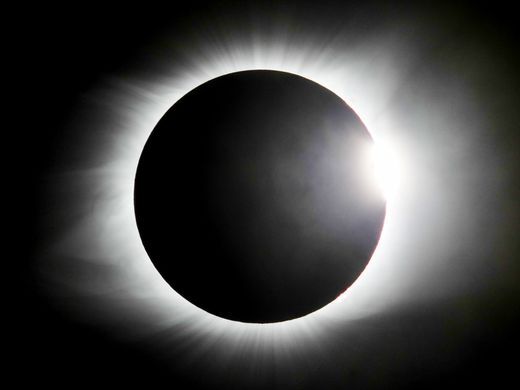
Urp. That is a bit of an alert about what is waiting for me next week when I return to work mode. All remaining conceits of “but that is so far away… it isn’t even this year” drop away as the calendar shifts over to January, 2024. The local business community news outlets are starting to highlight the upcoming events and tourist projections. For Indiana, the Total Solar Eclipse (TSE) could be a really big deal. If the community is ready. If the planning continues to make progress. If the weather is good. If we coordinate the media center activities. If the invitees actually are available and show up.
How much of that is within any one individual’s control, or scope? I will confess to having had a long history of feeling a strong sense of responsibility to make everything work, to keep track of and use my own force of will to bring the best imagined scenario into being. Much to my surprise (and potential relief), the experience of the TSE planning is starting to take me away from that stance. Make no mistake; I am feeling the “terribly, terribly aware” intensity of ensuring that the invitation letters are sent and the corporate executives are informed, in “BLUF” terminology and 10-second sound bites, why they need to commit resources and time and self to this thing as this priority, now.
However, I also remember a very valuable lesson from the last statewide preparation event for which I felt an important obligation as Indiana Space Grant Consortium (INSGC) Director, the Apollo 11 50th Anniversary event back in July 2019. Lots of people wanted to celebrate this historic event in their own way, in their own place, with the resources and connections that were meaningful for them. The TSE is a bit more localized and focused – not every community in Indiana will experience totality, but the communities with which INSGC and I are engaged literally span the state from southwest to northeast. We can help out a lot regarding eclipse viewing safety and the timing and direction of where to look… but otherwise, it’s kind of like putting together a really huge potluck picnic. In some ways, it feels like the planners of the National Road Garage / Yard Sale, spanning hundreds of miles of old U.S. 40. We know the date. We know the locations. (Oh, if you’re interested, the 2024 dates for the National Road Sale are May 29 – June 2.). But what’s for sale? Which bands will be playing, where? What’s going to be on the menu? I don’t really know all of what people will be bringing, and the more I try to control that part, the less enthusiasm there will be. We just welcome as many people to participate in as many ways as engages their excitement and interest to tell a very special story about a very special experience.
Perhaps it is a good thing that I take a few more quiet days here at the end of the calendar year. I appreciate the rest and the restoration that will help me prepare for the coming weeks. The long-term advanced planning is very much coming to an end. As is often said, it’s go time. Lay out the viewing location access paths and traffic flow plans. Test the equipment. Confirm the portable cellular and toilet orders. (No. Really. Do it this coming week.). Have you got safety videos? School release information? General public notices? In several languages? In accessible formats? What about…
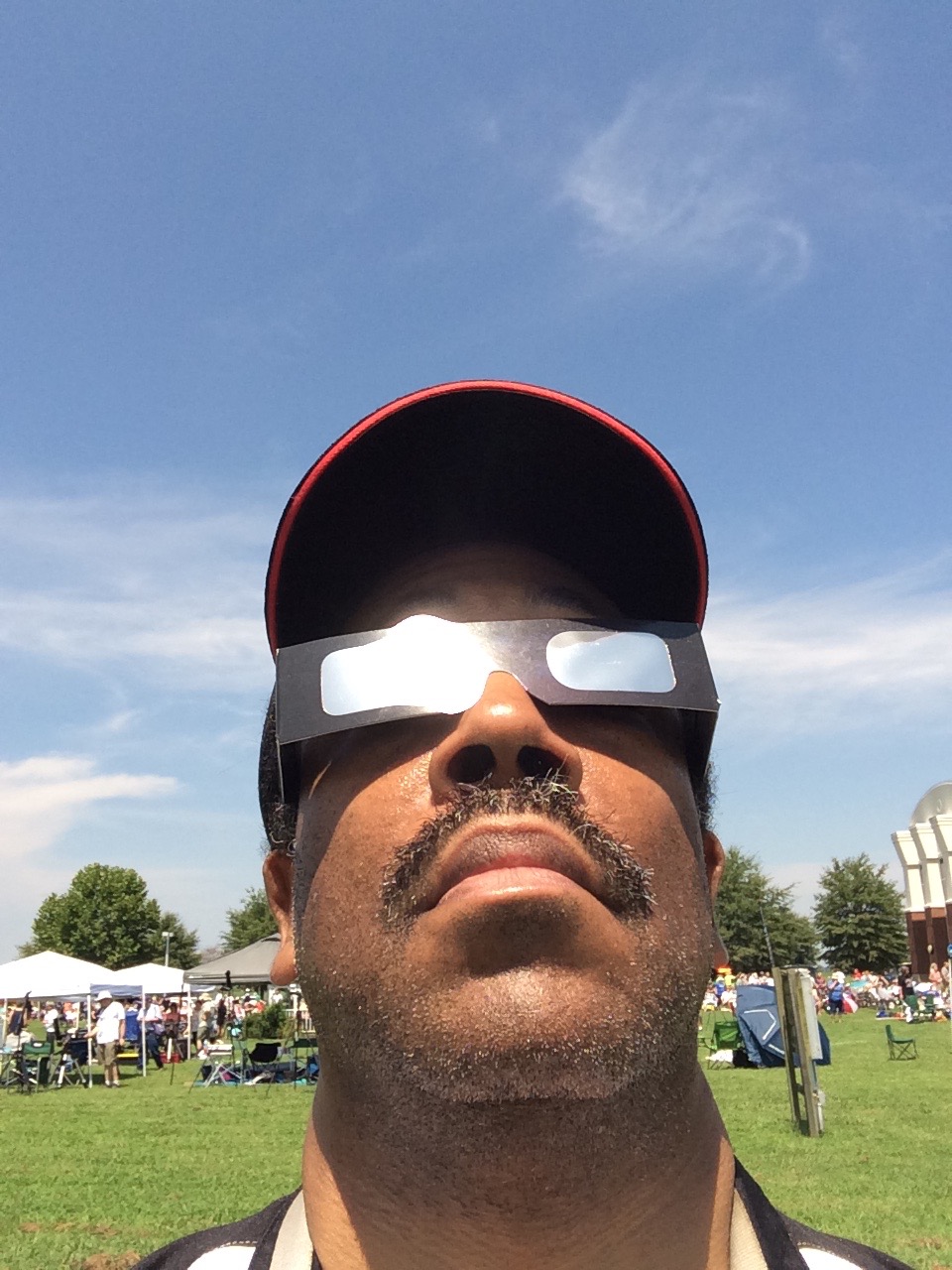
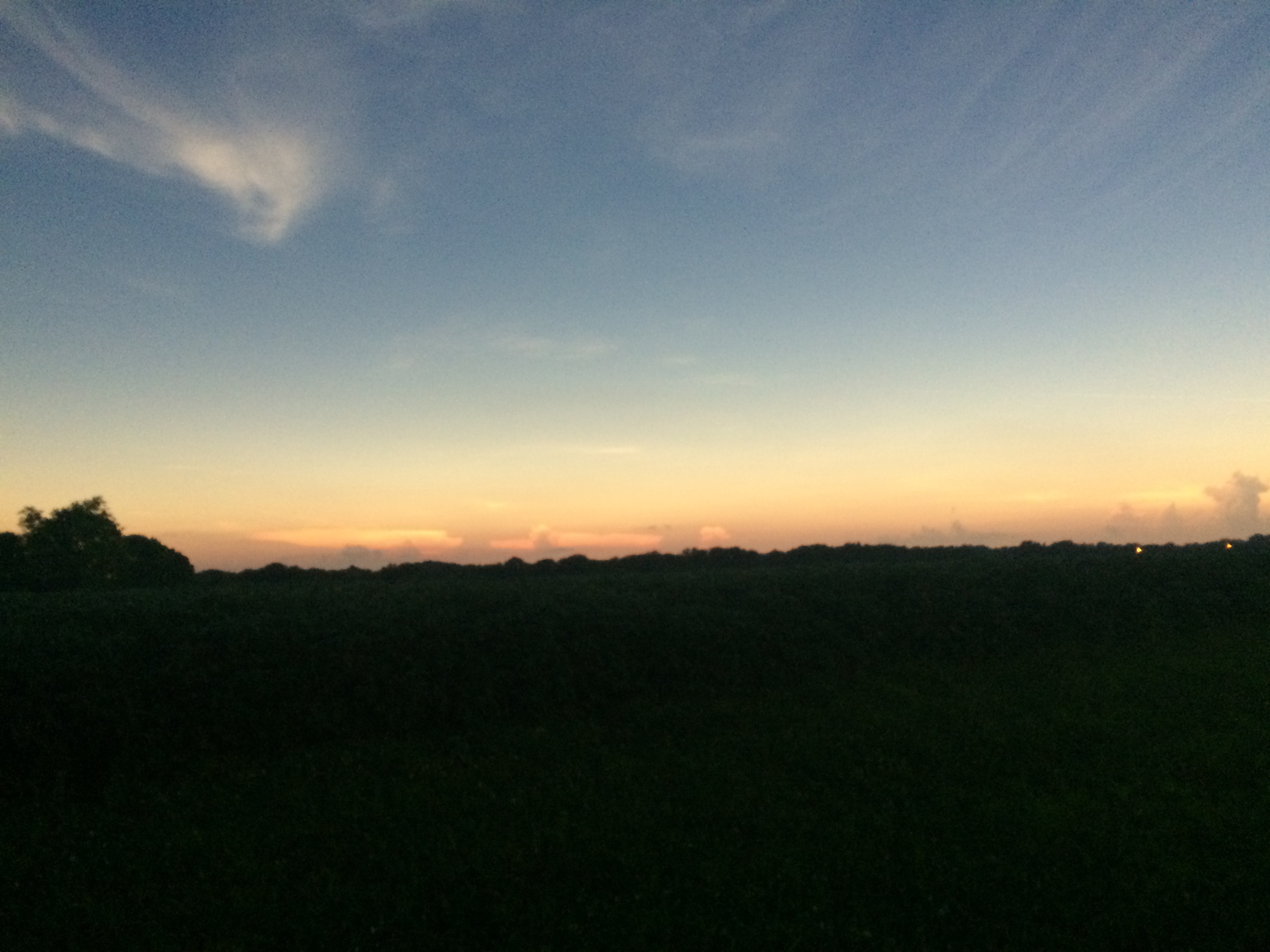
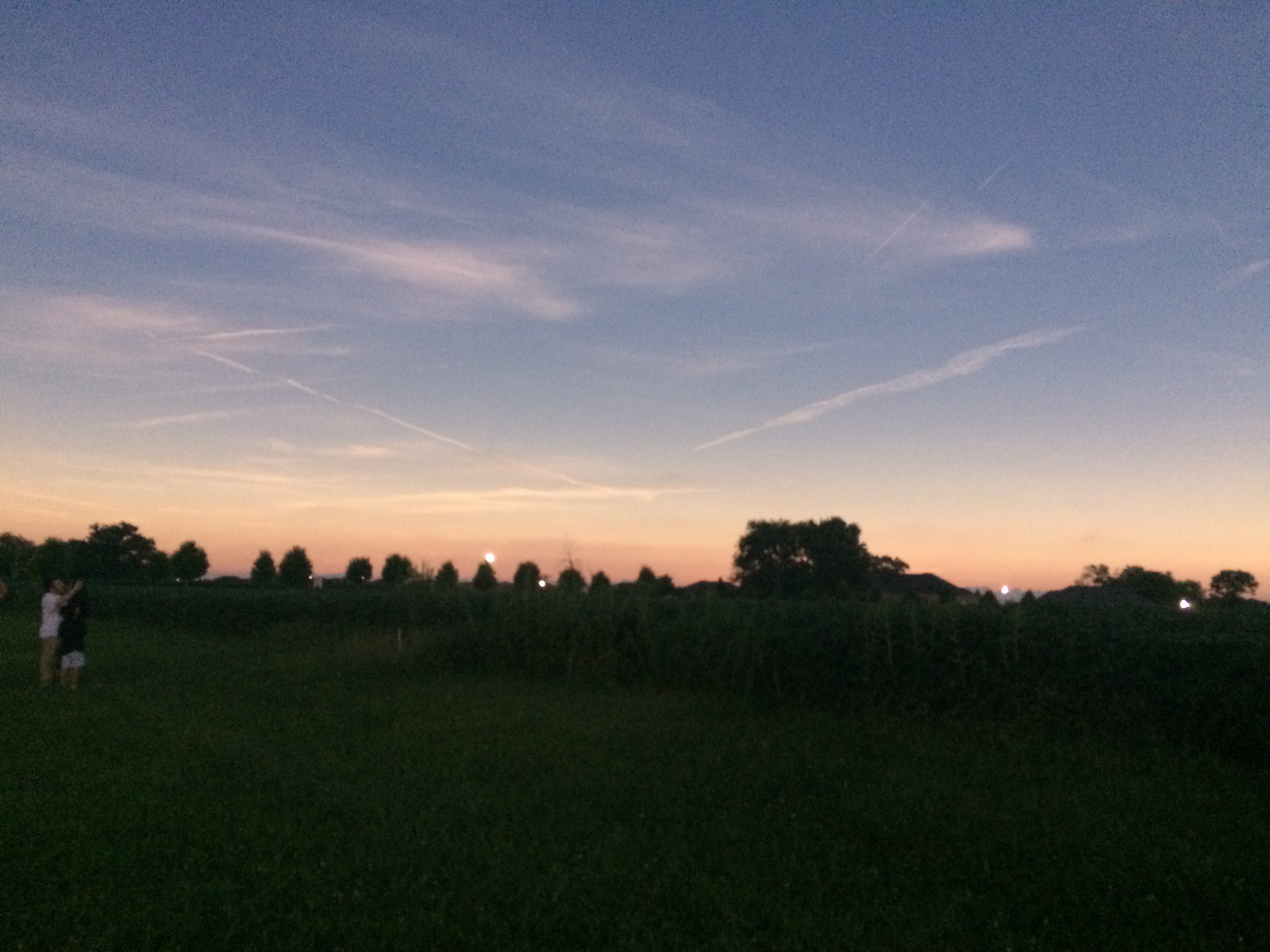
Ah, yes. Use the rest while it’s available. Take advantage of the holiday weekend. Celebrate safely, everyone. Happy New Year. I hope to see some of you at the Indianapolis Motor Speedway for the TSE viewing, and you enjoying your souvenir pair of “The Greatest Spectacles”. I will be there in spirit in Evansville, and Terre Haute, and Bloomington, and Jasper, and Lebanon, and Brownsburg, and Muncie, and Winchester, and all the other places along the path. Bring your friends. Take lots of pictures. Remember the day, because it will be something to be shared and recalled and stories to be told. “Hey, back in ’24? What did you do for the Eclipse? Was it special for you, too?”
Share this: